
Edan Power
Blog Speak to an Expert
Solar Energy • UK Guide

Can I Install Solar Panels If My Roof Faces North?

Many UK homeowners assume solar panels only work on south-facing roofs. In reality, north-facing installations can still deliver strong results depending on roof pitch, shading, and system design.

5 min read 05 Feb 2026 19 views

Understanding Roof Orientation and Solar Performance

In the UK, south-facing roofs receive the most direct sunlight throughout the day, which is why they are considered ideal for solar panels. East- and west-facing roofs also perform well, generating electricity during morning or afternoon hours.

North-facing roofs, however, receive less direct sunlight, particularly during winter months. This reduced exposure naturally affects how much electricity solar panels can produce over the course of a year.

Key Insight Roof orientation is only one part of the equation. Roof pitch, shading, panel efficiency, and household energy usage patterns can significantly influence overall solar performance.
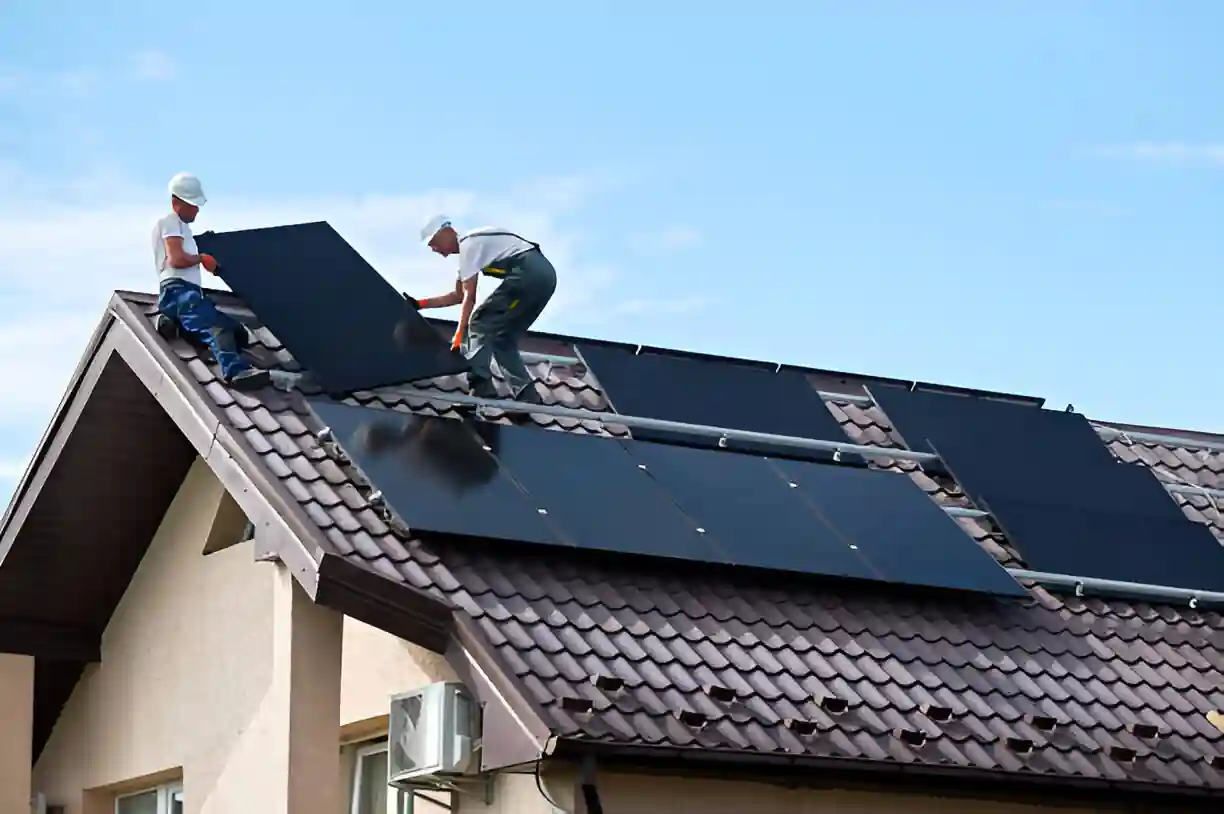
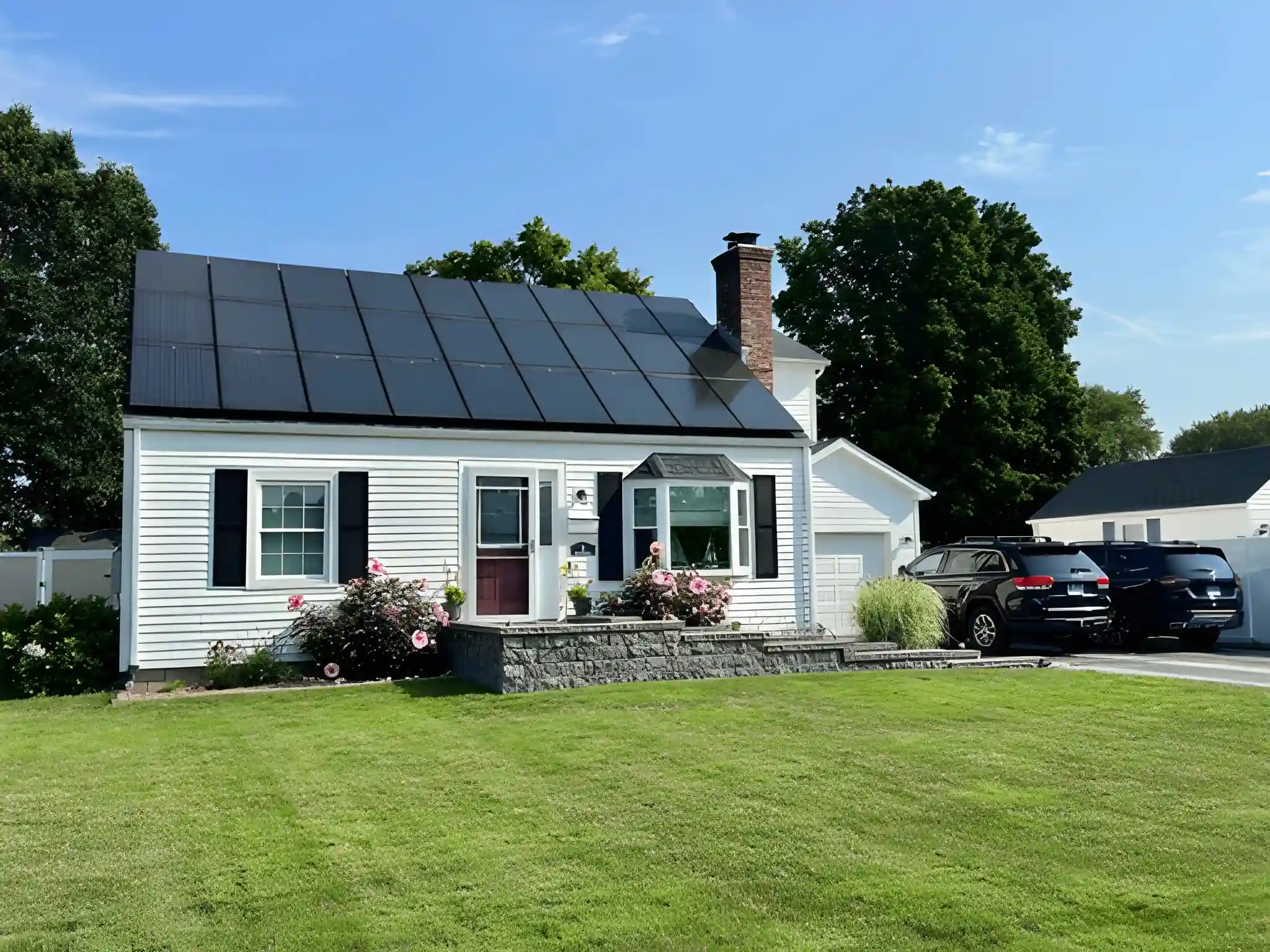
How Efficient Are Solar Panels on a North-Facing Roof?

Solar panels installed on a north-facing roof typically produce less energy than those on a south-facing roof, but the difference is often smaller than many homeowners expect.

In many UK locations, a north-facing system can still generate 60–75% of the output of an optimally placed south-facing system. Modern panel technology is far more efficient at capturing diffuse and indirect sunlight than older models.

Placeholder

How Efficient Are Solar Panels on a North-Facing Roof?

Solar panels installed on a north-facing roof typically produce less energy than those on a south-facing roof, but the difference is often smaller than many homeowners expect.

In many UK locations, a north-facing system can still generate 60–75% of the output of an optimally placed south-facing system. Modern panel technology is far more efficient at capturing diffuse and indirect sunlight than older models.

Placeholder

Shading and Surroundings Matter More Than Direction Alone

For north-facing roofs, shading becomes even more critical. Trees, chimneys, nearby buildings, or dormers can significantly reduce solar output if they block sunlight for extended periods.

A clear, unshaded north-facing roof can sometimes outperform a shaded south-facing one. This is why a detailed site assessment is essential.

Why Professional Site Assessment Is Essential

At Edanpower, we evaluate your property’s surroundings, roof structure, and sunlight patterns before recommending any solar installation. 

This ensures realistic performance expectations and system designs that deliver reliable long-term results.

Expert Insight

Understanding Roof Orientation and Solar Performance

In the UK, south-facing roofs receive the most direct sunlight throughout the day, which is why they are considered ideal for solar panels. East- and west-facing roofs also perform well, generating electricity during morning or afternoon hours.

North-facing roofs, however, receive less direct sunlight, particularly during winter months. This reduced exposure naturally affects how much electricity solar panels can produce over the course of a year.

Key Insight Roof orientation is only one part of the equation. Roof pitch, shading, panel efficiency, and household energy usage patterns can significantly influence overall solar performance.

Frequently Asked Questions

Yes. While output is lower compared to south-facing systems, modern solar panels can still generate 60-75% of optimal production depending on roof pitch, shading, and location.

Absolutely. Shading from trees, chimneys, or nearby buildings can significantly reduce output. A clear north-facing roof may outperform a shaded south-facing installation.

Yes. A professional assessment evaluates roof orientation, shading, pitch, and household usage patterns to provide accurate performance estimates and realistic expectations.