














Do my solar panels require storage of solar batteries?
Solar panels themselves do not have the capability to store energy in solar batteries. Solar panels generate electricity when exposed to sunlight, producing direct current (DC) electricity. This electricity can either be used immediately to power your home or business, or it can be sent to the grid if you are part of a grid-connected system.
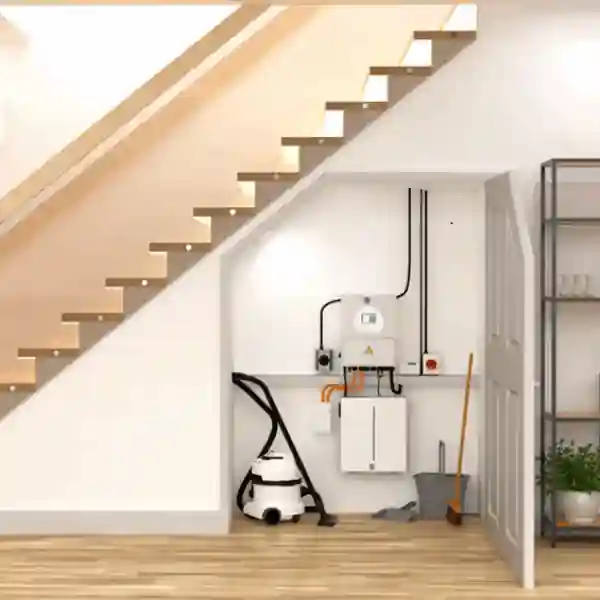
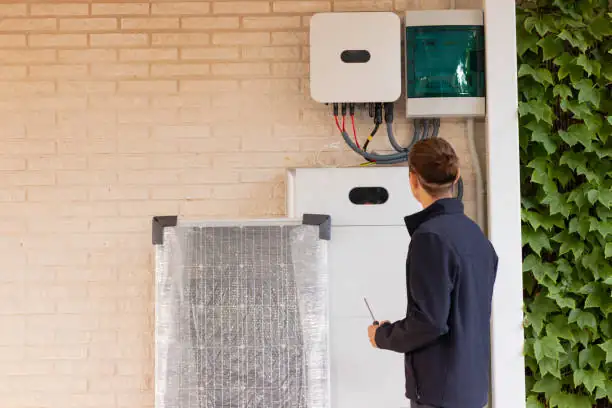
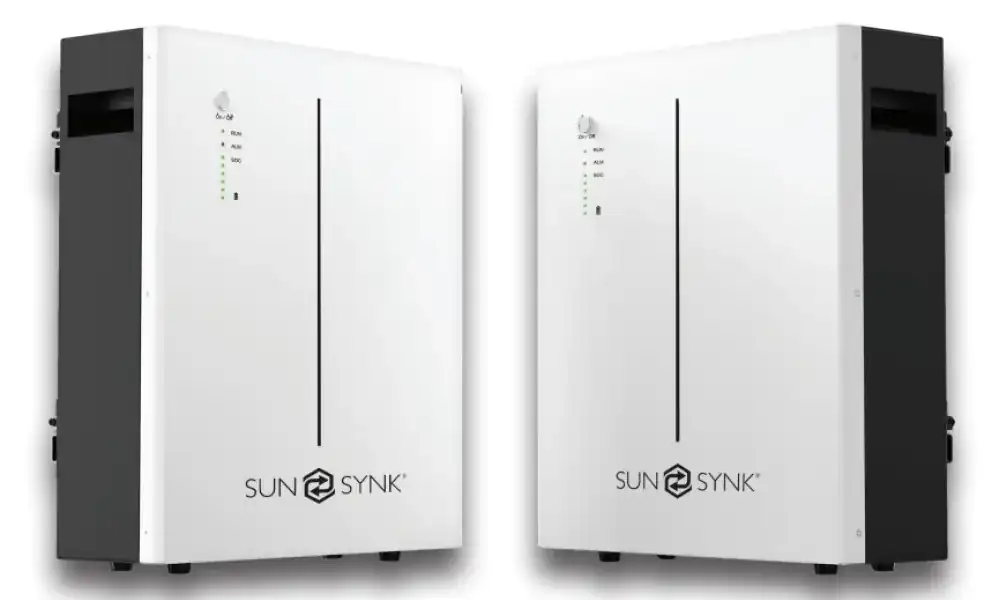
However, if you’re interested in storing the excess electricity generated by your solar panels for later use, you would need to incorporate a separate solar battery storage system into your setup. Solar battery storage systems consist of batteries that can store the excess energy produced by your solar panels during sunny periods. This stored energy can then be used during cloudy days, nighttime, or times of high electricity demand.
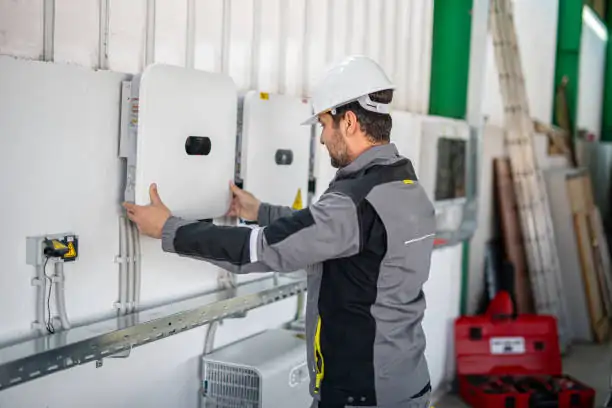
A solar battery storage system typically includes components such as solar panels, a solar inverter (to convert DC to AC), batteries, and a battery inverter (to convert DC from batteries to usable AC). The solar panels generate electricity, which is then converted into AC by the solar inverter for immediate use or to charge the batteries. The batteries store the excess energy, and the battery inverter converts the stored DC energy back to AC when you need it.
Adding solar battery storage to your solar power system can provide benefits like increased energy independence, backup power during grid outages, and the ability to optimize your electricity usage based on energy demand and pricing (*only if the battery has island mode functionality.)
However, it’s important to note that solar battery storage systems require additional equipment and investment, and the decision to install one should be based on factors such as your energy consumption patterns, your location, and your budget.